
Bankruptcy in Kokomo, Logansport, Peru, Tipton & Marion, IN
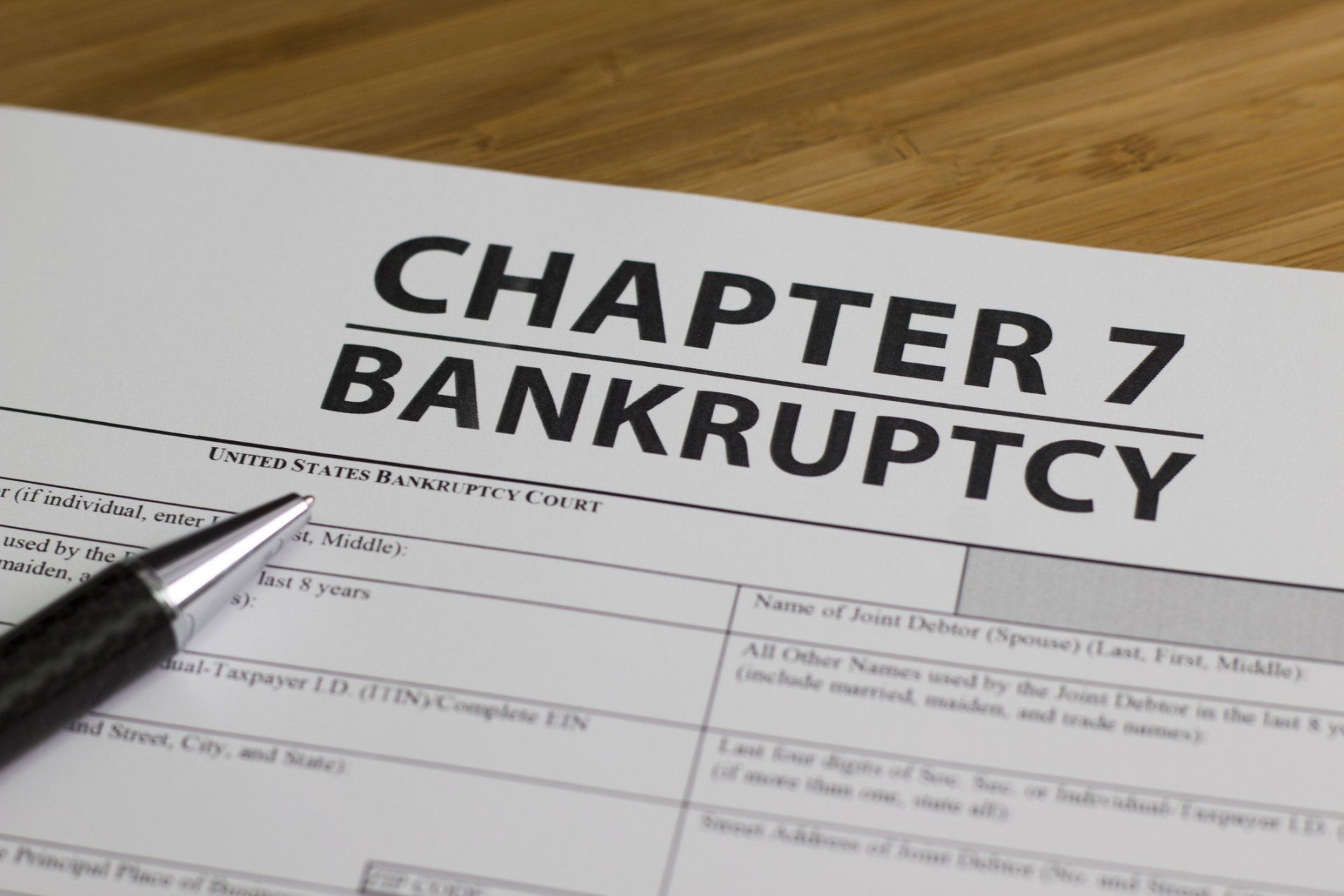
If debt is dragging you down, consider a Chapter 7 or Chapter 13 bankruptcy. There are a variety of United States Bankruptcy Code Chapters which allow for a discharge of debts. Under Chapter 7, one of the most common consumer debt relief options, most of your debts can be discharged. To qualify, you must meet the required income level. If you qualify, you will be allowed to stop all creditor actions against you through the automatic stay, stop lawsuits, stop garnishments, and stop the harassing phone calls. If your median family income is above the allowed limits for Chapter 7, consider a Chapter 13 bankruptcy. The bankruptcy process can be complicated and you should hire the help of an experienced bankruptcy attorney. At Kuntz Law Firm, we will assist you through each step of the process to get the debt relief and financial freedom you seek. We have the experience to help you retain your home, furniture, and vehicles in most cases. We are a debt relief agency. We help people file for bankruptcy relief under the Bankruptcy Code. Call 765-457-8000 for a free consultation.
Chapter 7 & Chapter 13 Bankruptcy
- Stop Lawsuits
- Stop Wage Garnishments
- Stop Harrassing Phone Calls from Creditors
- Wipe-Out Most Debts in Chapter 7
- Wipe-Out some old Tax Debts
- Get a Fresh Financial Start
- Keep Your House, Furniture or Vehicles In Most Cases.
Fees
Bankruptcy: $100 down to get started, filed when all fees are paid
Northern District of Indiana
Southern District of Indiana
FAQs
1. Will filing bankruptcy stop lawsuits, garnishments, and foreclosure?
Yes. Filing bankruptcy triggers an automatic stay, which immediately stops most collection actions, including wage garnishments, lawsuits, bank levies, and foreclosure proceedings. This protection begins the moment the case is filed.
2. What is the difference between Chapter 7 and Chapter 13 bankruptcy?
Chapter 7 bankruptcy is designed to eliminate unsecured debt quickly, while Chapter 13 involves a court-approved repayment plan over three to five years. The right option depends on income, assets, and financial goals. Our Indiana bankruptcy attorneys can help determine which chapter fits your situation.
3. Will bankruptcy ruin my credit forever?
No. While bankruptcy does impact credit, it is often a starting point for financial recovery. Many clients qualify for credit and begin rebuilding within months. For those already struggling with late payments or collections, bankruptcy may improve their financial outlook over time.





